What does a bride wear on her wedding day? For many in the West, the answer is a white gown with a veil. But step beyond European and American traditions, and you’ll discover a breathtaking tapestry of bridal attire that tells stories of culture, spirituality, and identity.
Around the globe, wedding dresses serve as more than just fashion statements. They are living expressions of heritage, carefully stitched with meaning passed down through generations. From vibrant reds to intricate embroidery, each garment carries the weight of tradition and the joy of celebration.
This journey across continents reveals how different societies have woven their values, beliefs, and artistic traditions into the most important dress a woman might ever wear.
The Iconic White Dress: A Western Phenomenon With Surprising Origins
The white wedding dress we associate with Western brides is actually a relatively recent invention. Before Queen Victoria married Prince Albert in 1840, white was not the standard bridal color. In fact, brides wore their finest dress in whatever color they preferred, often rich jewel tones that demonstrated family wealth.
Victoria’s choice to wear white for her royal wedding sparked a trend that would eventually define Western bridal fashion. The color symbolized purity and wealth—only the richest families could afford to keep a white dress pristine and unworn after the wedding day. This association cemented white as the color of choice for generations to come.
Today, white remains dominant in Western weddings, though alternatives like ivory, champagne, and even blush tones have gained popularity. The silhouette varies widely, from sleek modern designs to elaborate ball gowns with yards of fabric and intricate beadwork.
“The white dress became a symbol of aspiration in the West, though ironically, it’s one of the newest traditions in global wedding history,” says Dr. Margaret Chen, fashion historian at Cambridge University.
The Red Elegance of Asian Bridal Traditions
In China, India, and Vietnam, red is the color of choice for brides. This vibrant hue symbolizes luck, prosperity, and joy—values far more important to these cultures than the Western notion of purity. Chinese brides traditionally wear a qipao or cheongsam, a form-fitting dress with a high neckline and side slits, often embroidered with dragons or phoenixes representing good fortune.
- ➡12 Moments When Kindness and Compassion Brought Love to People Who Needed it Most
- ➡Sharon Stone Speaks Up About Infamous “Basic Instinct” Scene That Made Her a Legend
- ➡Kelly Clarkson Postpones Las Vegas Shows for Family Crisis Involving Ex-Husband
- ➡Selena Gomez’s ‘Lizzie McGuire’ and ‘Suite Life’ Spinoffs Got Dumped: “I Was at My Wits’ End”
The Chinese red wedding dress is typically made from silk and features elaborate gold embroidery. Many brides wear multiple dresses throughout their wedding day—perhaps changing from a red dress for the ceremony to a white Western gown for the reception, blending both cultural traditions in a single celebration.
Indian bridal wear varies by region and religion. Hindu brides often wear a lehenga or sari in rich reds, pinks, or burgundies, adorned with gold jewelry and intricate henna designs on their hands and feet. The lehenga is a three-piece ensemble consisting of a long skirt, blouse, and dupatta (veil), allowing brides to showcase their regional artistry through embroidery and traditional patterns.
| Country/Region | Traditional Color | Garment Name | Key Symbols |
|---|---|---|---|
| China | Red | Qipao/Cheongsam | Dragons, phoenixes, gold embroidery |
| India (Hindu) | Red/Pink/Burgundy | Lehenga or Sari | Gold jewelry, henna, region-specific patterns |
| Vietnam | Red | Ao Dai | Silk, elegant simplicity |
| Japan | White | Shiromuku Kimono | Cranes, turtles, family crests |
“Red in Asian weddings represents the continuation of family lines and the blessing of prosperity. It’s a statement of hope for the couple’s future,” explains Dr. Rajesh Patel, cultural anthropologist specializing in Asian wedding traditions.
Also Read
Japanese Elegance: The Shiromuku and Modern Blends
Japan presents a fascinating case where traditional and modern bridal wear coexist seamlessly. The traditional wedding kimono, called a shiromuku, is predominantly white—not for purity as in the West, but for formality and respect. The shiromuku is an incredibly complex garment, often weighing over 25 pounds, made from the finest silk with elaborate patterns woven in white thread on white fabric.
Brides typically wear the shiromuku for the ceremony, often with an ornate headpiece called a tsunokakushi that conceals the bride’s hair, symbolizing her becoming part of a new family. The elaborate obi (sash) is tied in an intricate knot, requiring skilled assistance to put on and adjust.
Many modern Japanese brides choose to wear both—a Western-style white wedding dress for the ceremony or reception, and a shiromuku for a separate celebration or family gathering. This dual approach allows brides to honor tradition while also embracing contemporary fashion sensibilities.
Middle Eastern and Islamic Bridal Attire: Modesty Meets Glamour
In Islamic traditions across the Middle East, North Africa, and parts of Central Asia, modest wedding attire combined with stunning embellishment creates a distinctive aesthetic. While some Muslim brides wear traditional white dresses, many opt for elaborate gowns that cover more of the body while remaining visually spectacular.
- ➡17 Moments of Kindness and Solidarity That Prove the World Has Your Back
- ➡15 Moments That Prove Kindness and Compassion Are Armors for People With Strong Hearts
- ➡9 Vintage Fashion Trends That Are Making a Huge Comeback in 2025
- ➡10 Moments Where Quiet Kindness Meets Compassion, Turning Into Pure Happiness
The hijab, niqab, or headscarf worn by many Muslim brides is often coordinated with the dress and adorned with delicate embroidery, beading, and luxurious fabrics. In countries like Dubai and Saudi Arabia, wedding dresses can feature layers of silk, gold threading, and intricate beadwork while still maintaining Islamic standards of modesty.
Lebanese and Palestinian brides often wear white gowns but with designs that reflect the rich textile traditions of the Levant—featuring ornate gold embroidery, intricate lacework, and regional patterns. These gowns can be equally elaborate as any Western haute couture design, proving that modesty and glamour need not be mutually exclusive.
“Islamic bridal wear demonstrates that modest fashion can be revolutionary and luxurious. The artistry and craftsmanship in these garments rivals any haute couture house,” notes Fatima Al-Rashid, fashion designer and expert in Islamic bridal fashion.
African Traditions: Kente Cloth, Kaftans, and Cultural Pride
Across Africa, wedding dress traditions vary dramatically by country, ethnic group, and religion, reflecting the continent’s remarkable diversity. In West Africa, kente cloth—a handwoven textile from Ghana featuring intricate geometric patterns in bright colors—is worn by many brides and grooms as a symbol of cultural pride and heritage.
Nigerian brides often wear aso ebi, a specially selected fabric worn by the bride, groom, and wedding guests. This creates visual unity and demonstrates the bride’s role in bringing the community together. The aso ebi is typically worn as a traditional wrapper skirt paired with a matching blouse, allowing for personal creative expression while maintaining cultural connection.
In East Africa, colorful kaftans and wraps incorporating Maasai beadwork or other ethnic patterns are popular choices. South African brides might wear Xhosa or Zulu traditional dress, featuring distinctive geometric patterns, beadwork, and bold colors that celebrate their specific cultural heritage.
| African Region/Country | Traditional Garment | Key Features | Cultural Significance |
|---|---|---|---|
| West Africa (Ghana) | Kente Cloth Ensemble | Hand-woven, geometric patterns, bright colors | Heritage, pride, community |
| Nigeria | Aso Ebi | Coordinated family fabric, custom designs | Unity, family bonds, celebration |
| East Africa | Colorful Kaftans with Beadwork | Bold patterns, beaded details, ethnic designs | Identity, artistic expression |
| South Africa | Xhosa/Zulu Traditional Dress | Beadwork, specific color patterns | Tribal identity, ancestral connection |
European Variations: Beyond the White Gown
While white dominates in Western Europe and North America, specific European countries maintain distinctive bridal traditions. In Greece, brides wear white dresses similar to other Western traditions, but often incorporate family heirloom jewelry and follow specific customs like pinning money to the bride’s dress during the reception.
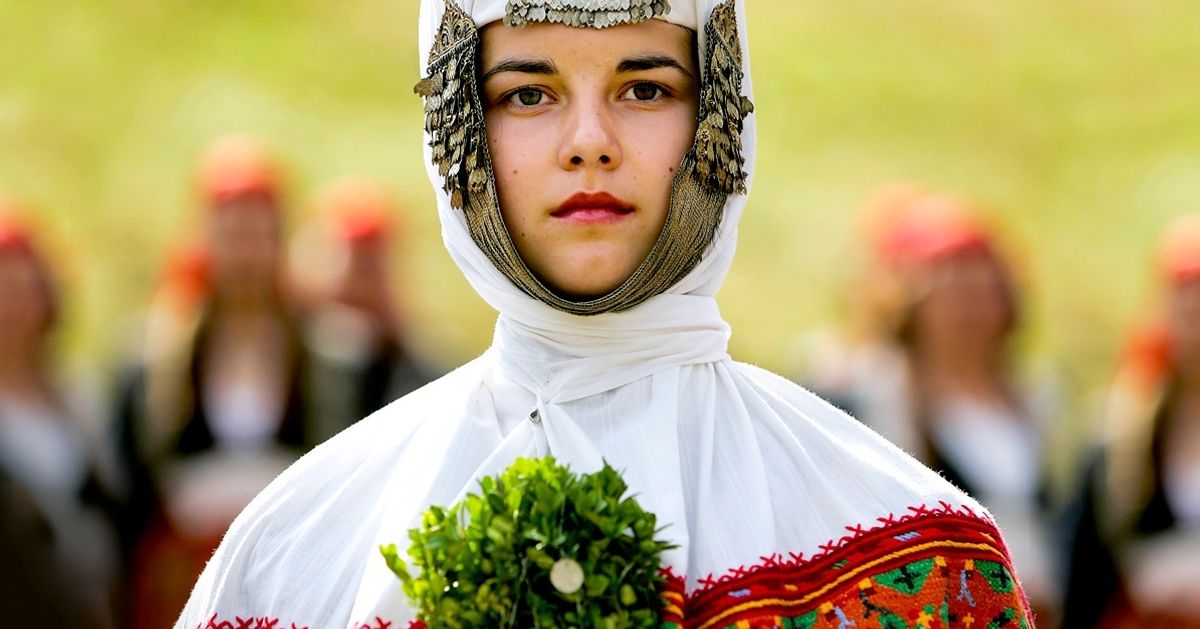
Scandinavian traditions emphasize simplicity and elegance. Swedish brides historically wore white gowns, but many also incorporate a tiara and long veil. Norwegian brides in some regions wear bunad, a traditional folk costume passed down through families, featuring embroidered details and specific patterns unique to their region.
In Eastern Europe, particularly in countries like Poland and the Czech Republic, white remains standard, but brides often incorporate family heirlooms and wear decorative crowns or elaborate headpieces. Traditional embroidery on the dress cuffs or hem connects the modern garment to centuries of textile traditions.
“European bridal wear shows us that tradition doesn’t mean stagnation. Each country has adapted the white dress to reflect its own values, artistry, and family connections,” says Professor Helena Bergström, wedding historian at Uppsala University.
Latin American Traditions: Romance Meets Heritage
Latin American bridal wear blends European Catholic influences with indigenous traditions, creating vibrant and romantic styles. In Mexico, many brides wear white dresses influenced by Spanish colonial traditions, but increasingly incorporate indigenous embroidery patterns, especially huipil-inspired designs featuring colorful geometric patterns.
- ➡12 Moments That Show Empathy and Kindness Are Still Out There, Even When Life Feels Too Heavy to Carry
- ➡15+ Travel Stories That Deserve Their Own Stand-Up Special
- ➡11 Stories That Prove Kindness Hits Harder Than Anything This Cruel World Throws at Us
- ➡My Family Took Me for Granted as a Doctor—Now I’m Questioning Everything
In Central and South America, some indigenous communities maintain traditional dress for weddings, featuring hand-woven textiles, bright colors, and patterns that have been passed down for centuries. A Guatemalan bride might wear traditional Mayan huipil, while a Peruvian bride might incorporate alpaca wool textiles in her wedding attire.
Puerto Rican and Cuban bridal traditions typically involve white gowns with romantic details—lace, ruffles, and flowing fabrics that reflect the island aesthetic. Many Latin American brides also wear elaborate flower crowns or decorative combs (peinetas) that reference Spanish traditions while adding tropical flair.
Modern Fusion: Blending Cultures in Contemporary Weddings
Today’s brides increasingly navigate multiple cultural identities, leading to innovative fusion approaches to bridal wear. A bride with Indian and British heritage might wear a dress featuring the silhouette of a Western gown with the embroidery and color palette of an Indian lehenga. Another might choose to wear her grandmother’s traditional dress for the ceremony and a Western gown for the reception.
Designers around the world now specialize in cross-cultural bridal wear, understanding that modern brides want garments that honor their complete identity. Brands combining traditional textiles with contemporary construction have become increasingly popular among younger brides seeking authenticity without sacrificing modern aesthetics.
This fusion approach has become particularly important in multicultural cities like London, Toronto, New York, and Singapore, where brides regularly draw from multiple traditions to create something uniquely personal and meaningful to their individual journey.
“The future of bridal fashion is hybrid. Young brides aren’t choosing between cultures—they’re choosing to honor all of them,” explains Amira Hassan, contemporary bridal designer and cultural consultant based in London.
The Economics and Craftsmanship Behind Global Bridal Wear
Creating traditional bridal wear often requires extraordinary craftsmanship passed down through family lines. An Indian lehenga might take months to create, with dozens of artisans working on embroidery, beadwork, and fabric preparation. A single Chinese wedding dress can require weeks of hand-embroidery work by skilled craftspeople.
The economics of bridal wear vary dramatically worldwide. While Western white dresses range from budget-friendly high street options to couture pieces costing tens of thousands of dollars, some traditional garments represent even greater financial and time investments. A properly made Japanese shiromuku or an intricately embroidered Indian bridal sari can represent serious family wealth and investment.
- ➡Jamie Lee Curtis Delivers a Powerful Speech About Effects of Cosmetic Surgery
- ➡12 Stories Where Quiet Kindness Changed Someone’s World and Redefined Success and Happiness
- ➡12 Moments That Teach Us Real Leadership Is Staying Kind Under Pressure
- ➡13 Travel Moments When Chaotic Plans Turned Into Happy Memories
This traditional craftsmanship faces challenges as younger generations sometimes opt for mass-produced alternatives. However, a resurgence of interest in heritage crafts has led to renewed demand for traditionally-made bridal wear, supporting artisans and keeping centuries-old techniques alive.
FAQs About Wedding Dresses Around the World
Why do Chinese brides wear red instead of white?
Red symbolizes luck, prosperity, and joy in Chinese culture. White is associated with mourning, making it inappropriate for such a joyful occasion. This tradition predates Western white dress conventions by centuries.
Is it disrespectful to wear another culture’s traditional wedding dress?
Context matters greatly. Wearing traditional dress from your own heritage or a spouse’s heritage as a sign of respect and celebration is generally appreciated. Wearing it as a costume or without understanding its significance can be considered disrespectful.
How much does a traditional Indian wedding dress cost?
Costs vary dramatically, from $500 for simpler designs to $10,000 or more for heavily embroidered, custom-made lehengas from skilled artisans. Family heirlooms are often passed down and repurposed.
Can a bride wear both traditional and Western dress at the same wedding?
Absolutely. Many modern brides, particularly those with multiple cultural backgrounds, wear traditional dress for the ceremony and Western dress for the reception, or vice versa.
What is the significance of the color white in Japanese wedding kimonos?
White in the Japanese shiromuku represents formality and respect rather than purity. It’s also a practical choice as white silk allows the beautiful woven patterns and family crests to be visible.
How long does it take to create a traditional bridal sari or lehenga?
A heavily embroidered piece can take 2-6 months or longer, depending on complexity. Multiple artisans work on different elements including fabric dyeing, embroidery, beadwork, and finishing details.
Are Muslim brides required to wear specific colors?
Islam itself doesn’t mandate a specific bridal color. Different cultures and regions have varying traditions. Some Muslim brides wear white, others wear vibrant colors, but the emphasis is on modest coverage rather than color choice.
What makes African wedding dress traditions unique?
African traditions emphasize bright colors, bold patterns, and community involvement. Family members often wear coordinating fabrics (aso ebi), and designs frequently incorporate ethnic-specific patterns and beadwork that celebrate particular heritage.
Has the white wedding dress always been popular in Western culture?
No. White became fashionable for Western brides only after Queen Victoria wore it in 1840. Before this, brides wore whatever color dress they preferred, often rich jewel tones displaying family wealth.
Can I wear a white dress if I’m marrying into a culture that prefers different colors?
Many modern couples blend traditions. You might wear your preferred dress for the ceremony and a dress honoring your partner’s tradition for a separate celebration, or choose a gown that creatively incorporates both traditions.
How are traditional wedding textiles like kente cloth made?
Traditional kente and similar textiles are hand-woven on looms using narrow strips of fabric that are sewn together to create patterns. Master weavers create intricate geometric designs that can take weeks to complete.
- ➡12 People Who Are Fluent in the Language of Kindness and Changed a Life
- ➡13 Moments That Prove Quiet People Change the World Without a Word
- ➡15 Moments When a Quiet Act of Kindness Made the Whole World Feel a Little Warmer
- ➡13 Stories Where Kind Hearts Successfully Brought Light to Parents’ Darkest Days
What should guests know about wedding dress etiquette in different cultures?
Always follow the bride’s lead and invitation guidelines. If attending a wedding in an unfamiliar culture, ask the couple or their family about appropriate dress. Generally, avoid wearing white (unless specified), dress modestly for traditional ceremonies, and show respect for cultural elements in the celebration.